Making Waste Work
Making Waste Work Seminar Highlights: Soil Carbon and Composting Solutions for Sustainable Agriculture
On May 28, Farming Forward hosted the Making Waste Work Seminar at the Garden View Community Centre, bringing together producers, researchers, and agricultural professionals to explore innovative ways to transform agricultural waste into valuable resources. The event featured two leading researchers: Dr. M. Derek MacKenzie of the University of Alberta and Dr. Tim McAllister of Agriculture and Agri-Food Canada.
Together, their presentations demonstrated how improving soil carbon and adopting effective composting practices can help producers build healthier soils, improve environmental outcomes, and strengthen farm resilience.
Composting for Livestock Mortality Disposal and Pathogen Control
Dr. Tim McAllister opened our workshop with a presentation on composting as a practical and scientifically proven tool for managing agricultural waste, including manure and livestock mortalities.
Drawing on nearly three decades of composting research at Agriculture and Agri-Food Canada, Dr. McAllister explained that composting is a natural, aerobic process that stabilizes organic matter while converting waste materials into valuable soil amendments. Composting can utilize a wide range of materials, including manure, crop residues, food waste, municipal waste, and livestock mortalities.
Successful composting depends on managing several key factors, including temperature, moisture, oxygen, particle size, and carbon-to-nitrogen ratio. Properly managed compost piles typically maintain temperatures between 50°C and 65°C, creating conditions that support rapid decomposition and pathogen destruction.
One of the most significant findings presented was composting's effectiveness in reducing disease risks. Research has demonstrated that composting can inactivate a wide range of pathogens, including Salmonella, E. coli O157:H7, Listeria, avian influenza virus, bovine viral diarrhea virus, foot-and-mouth disease virus, Newcastle disease virus, and African swine fever virus when proper temperatures are achieved.
Dr. McAllister also highlighted composting's role in reducing antimicrobial residues and antimicrobial resistance genes (ARGs) found in livestock manure. Studies comparing compost windrows with stockpiling found that composting maintained temperatures above 55°C for 35 days and reduced antimicrobial compounds more rapidly than stockpiling. After approximately three months, ARG levels were reduced by 90% to 99.9%, demonstrating composting's value as a biosecurity tool.
The presentation also explored research into composting specified risk materials (SRMs) and livestock mortalities associated with prion diseases. Field-scale composting trials achieved substantial reductions in prion infectivity, highlighting composting's potential role in managing high-risk agricultural waste streams.
Throughout the presentation, Dr. McAllister emphasized that composting is most effective when properly managed. Site selection, recipe development, moisture control, aeration, and temperature monitoring are all critical to producing a safe, effective end product.
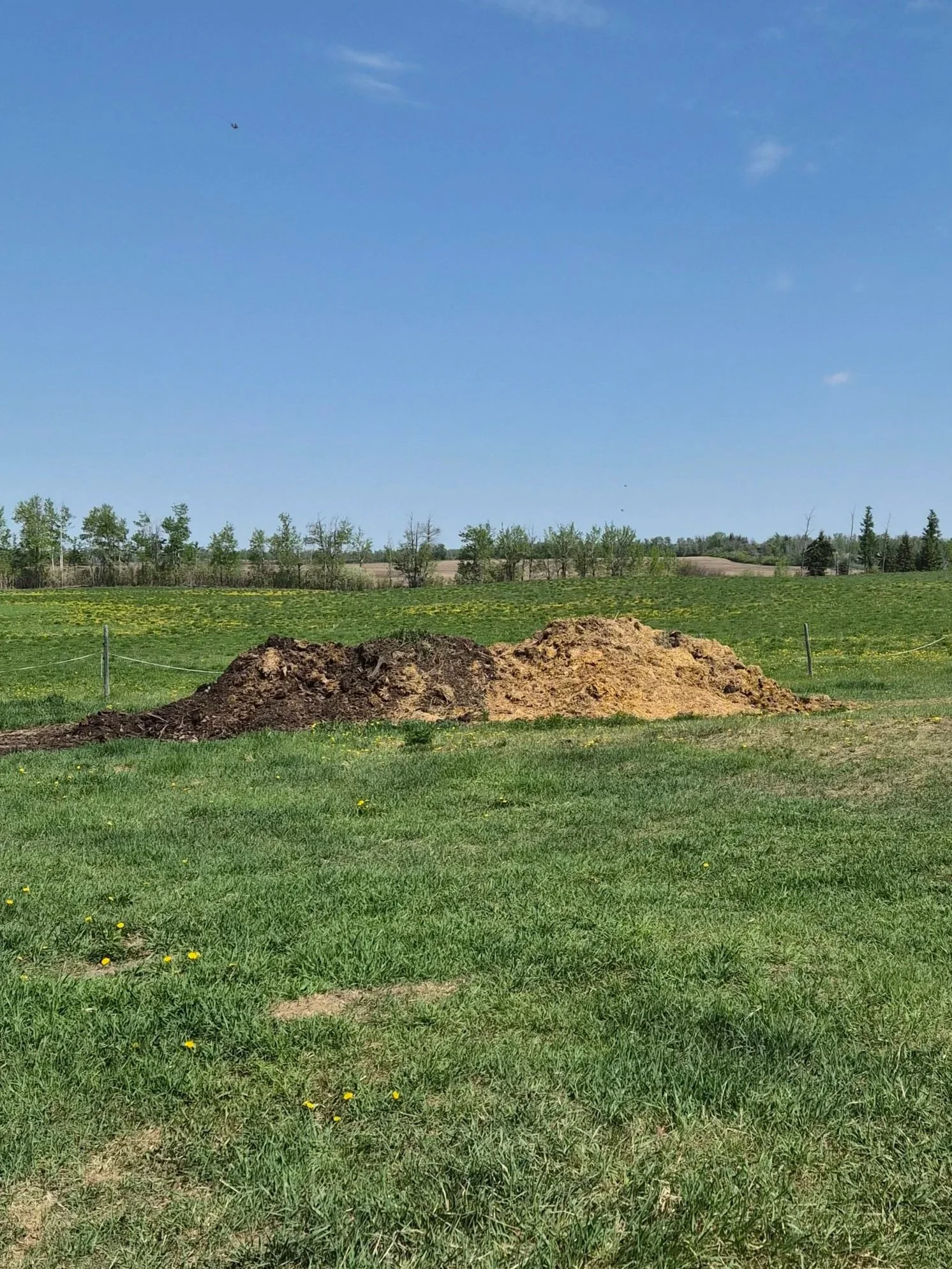
The event ended with a producer site visit to see composting in action!
Building Soil Carbon for a More Resilient Future
Dr. Derek MacKenzie followed Dr. McAllister and opened with a powerful reminder that healthy soil is one of the most valuable assets on any farm, influencing everything from crop production and water management to long-term resilience and sustainability. Healthy soils function as living ecosystems that support plants, animals, and people while providing benefits such as food production, water filtration, climate regulation, biodiversity, and resilience to drought and flooding.
A major part of what makes soil healthy is its carbon content. Carbon serves as an energy source for soil microbes, supports plant nutrition, improves soil aggregation, increases water-holding capacity, and contributes to long-term soil productivity. Dr. MacKenzie described this relationship as the soil-microbe-plant continuum, where carbon fuels the biological processes that make nutrients available to crops.
He explained that modern agricultural systems often disrupt this continuum. While synthetic fertilizers remain essential for replacing nutrients removed through harvested crops, they do not replace the carbon removed from the system. Similarly, tillage can accelerate soil carbon loss by breaking down soil aggregates and increasing erosion.
A major focus of the presentation was the need for a strategy shift in fertility management. Dr. MacKenzie proposed adding carbon as a core component of fertility best management practices, highlighting the "6C of Regenerative Agriculture" framework and the importance of protecting, diversifying, and actively adding carbon back into agricultural soils.
Research conducted by his team is examining how compost, biochar, and diversified cropping systems influence soil health, crop productivity, greenhouse gas emissions, and carbon sequestration. Trials across Alberta have shown that compost and biochar can improve microbial activity and, under certain soil conditions, maintain yields comparable to synthetic fertilizer programs while contributing additional carbon inputs to the soil.
Dr. MacKenzie ended with: soil should be viewed as a valuable asset requiring regular maintenance. Just as equipment needs ongoing care, soil requires continual carbon inputs to maintain long-term productivity and function.
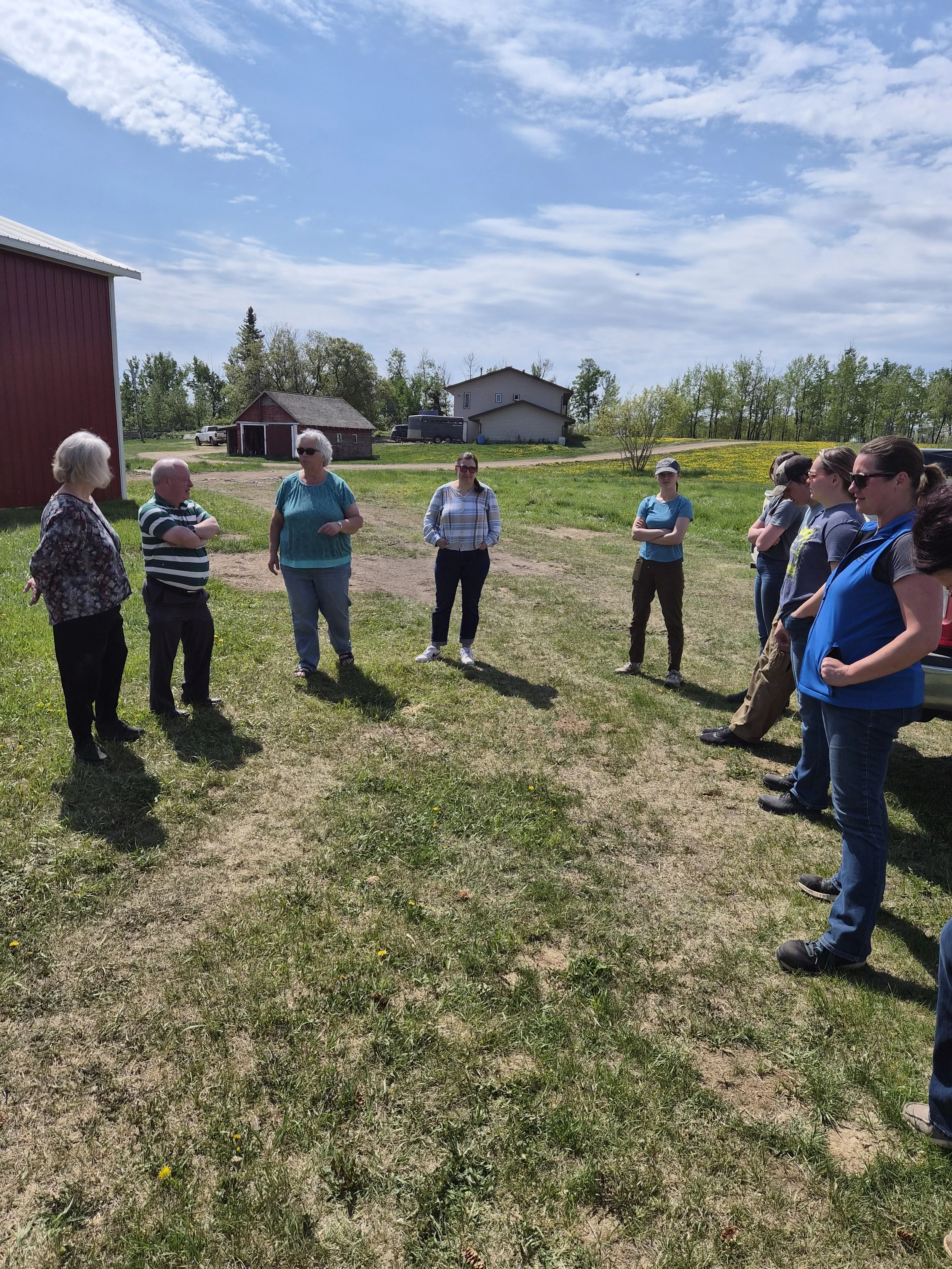
Key Takeaways
The Making Waste Work Seminar showcased how innovative waste management practices can create value while addressing environmental challenges.
Dr. MacKenzie demonstrated that soil carbon is the foundation of soil health and that building carbon should be considered an essential part of modern fertility management. Meanwhile, Dr. McAllister showed how composting can safely transform agricultural waste, livestock mortalities, and manure into valuable resources while improving biosecurity and reducing environmental risks.
Together, the presentations highlighted a common message: agricultural sustainability depends on keeping nutrients and carbon cycling within the system. By treating waste as a resource rather than a disposal problem, producers can improve soil health, strengthen farm resilience, and create long-term benefits for both agriculture and the environment.