Can Better Plant Nutrition Unlock Higher Yields?
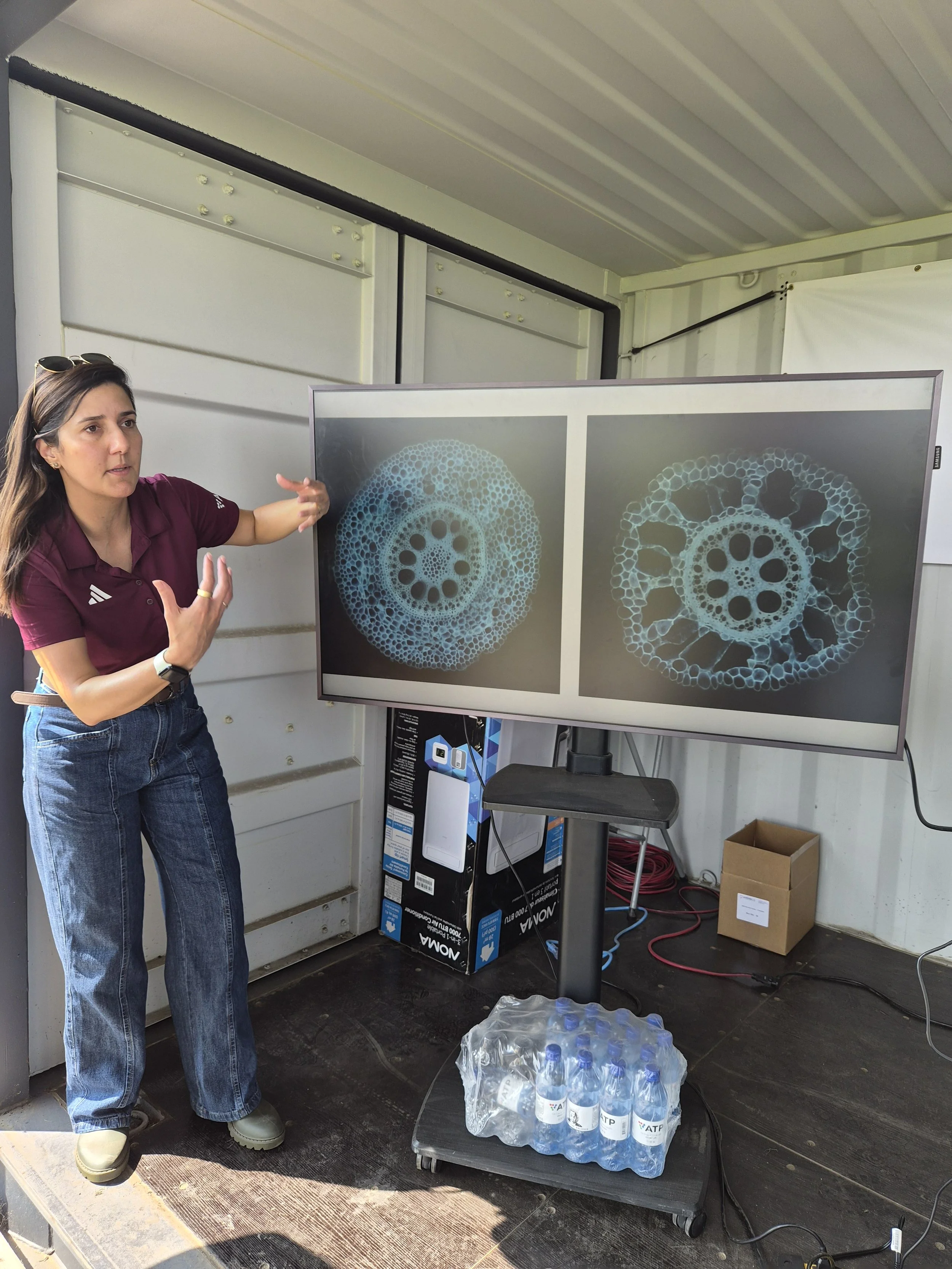
One of the most interesting seminars we attended at Ag in Motion was presented by ATP Ag. The speaker was knowledgeable, engaging, and made the presentation fun and easy to follow. Rather than simply talking about plant nutrition, he showed us real examples of how different nutrients and combinations of products can affect crop growth and plant health.
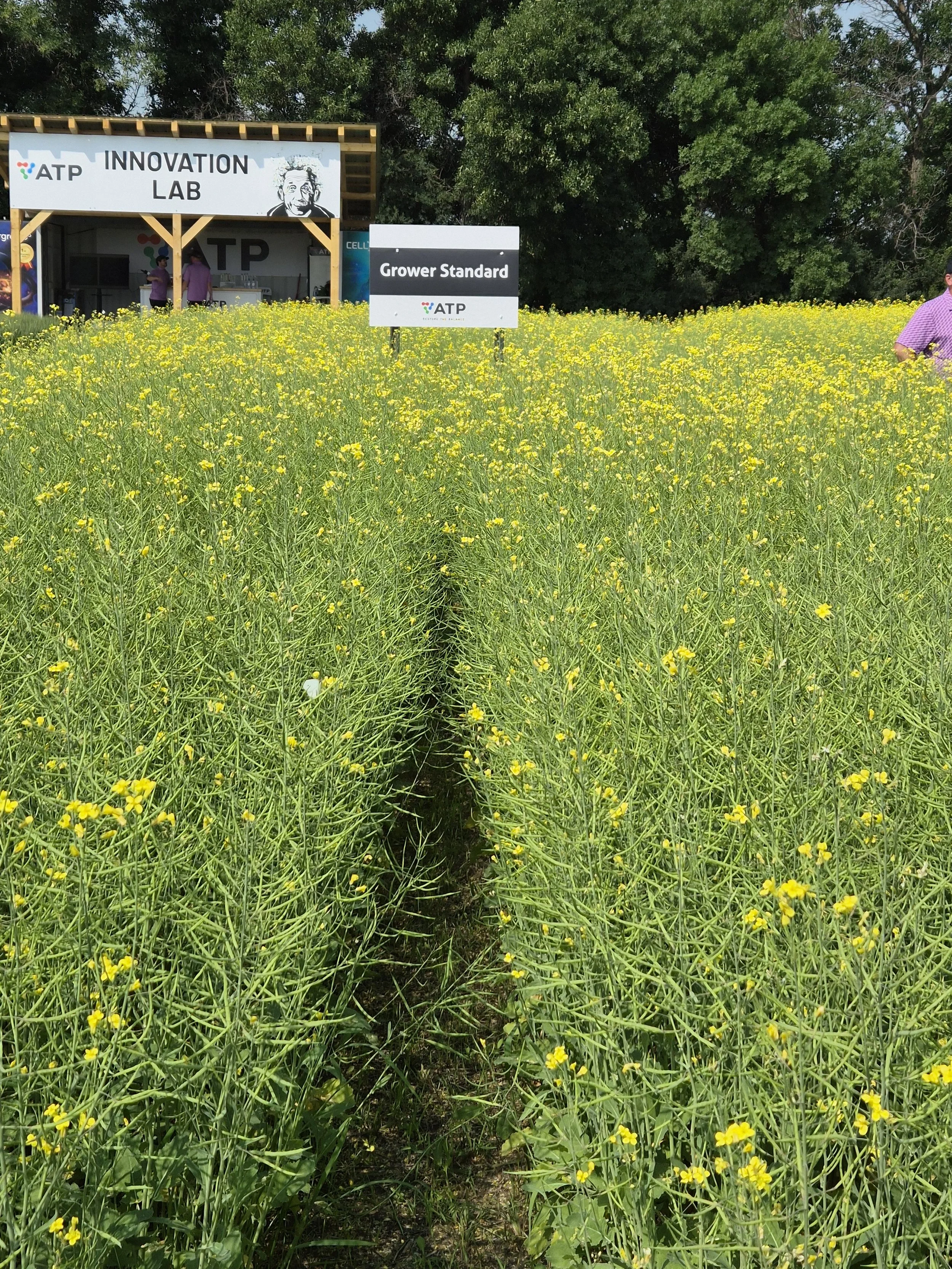
The demonstration focused on canola plants and showed the differences between plants receiving different nutrient combinations. It was amazing to see how much stronger and healthier the plants appeared when the right nutrients were provided in the right balance. The canola stems, leaves, and overall plant structure were noticeably stronger. The demonstration showed how proper nutrition can help plants develop better roots, stronger cell walls, and improved overall health. It also helped show how using the right combination of nutrients may improve crop productivity while potentially helping farmers use their inputs more efficiently and lower production costs.
ATP Ag’s approach is based on the idea that plants require a balance of essential nutrients throughout their growth cycle. Their research and field trials show that nutrients such as phosphorus, potassium, boron, zinc, manganese, calcium, and other micronutrients each play important roles in plant development. ATP’s research on canola has shown positive results from applying crop-specific nutrition at different stages of growth. For example, their ReLeaf Canola product has been tested in replicated field trials and has been associated with improvements in root length and root surface area, as well as increased yields. Their 42PHI Canola product is designed for the reproductive stage and focuses on supporting flowering, pollination, and seed set. ATP reports an average yield increase of 3.5 bushels per acre in 12 canola trials when 42PHI was applied at the 10% bloom stage.
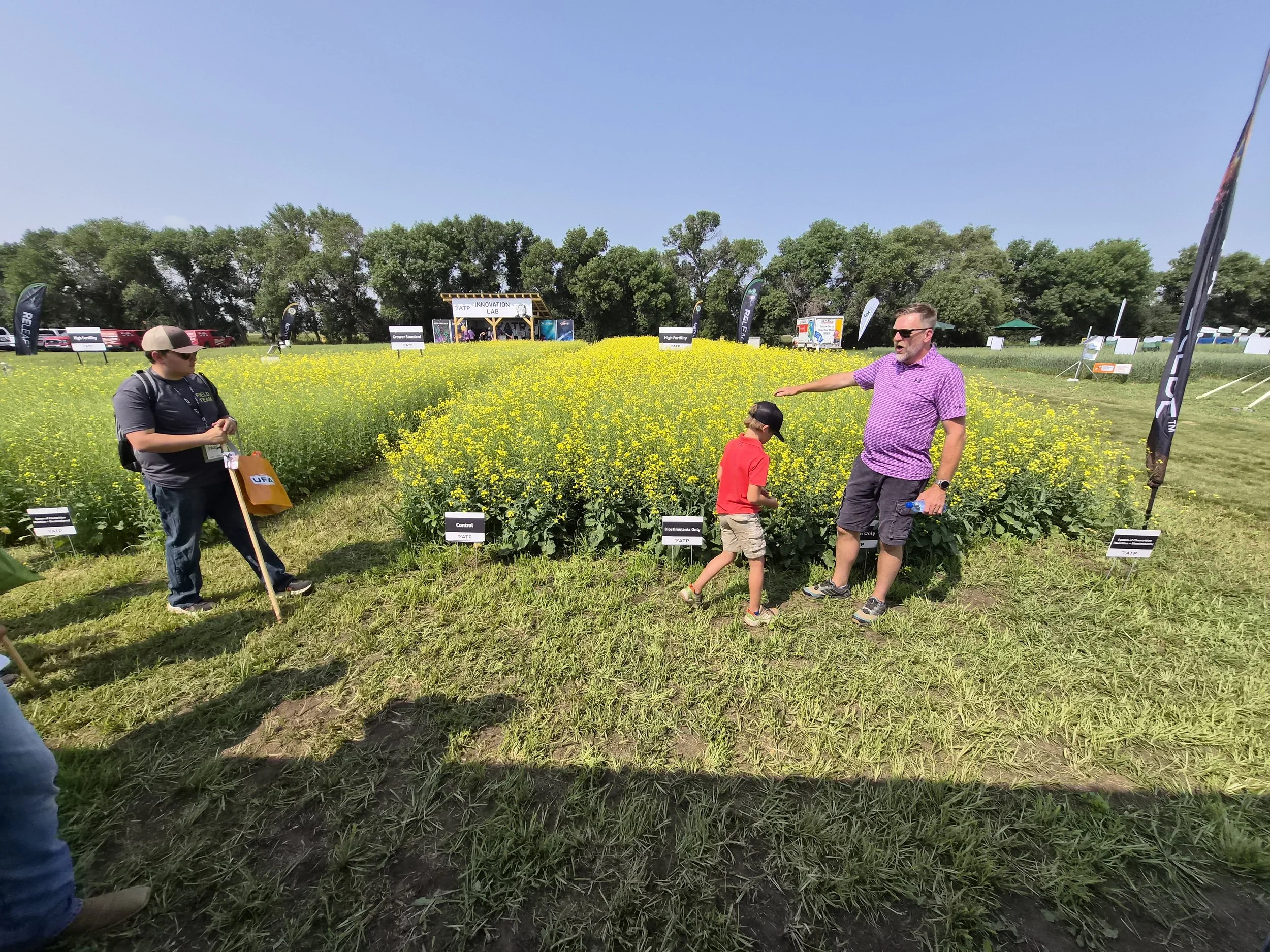
What stood out to me most from the seminar was the focus on using nutrition proactively instead of waiting for a visible deficiency to appear. ATP explains that proper plant nutrition involves having nutrients in the correct balance and form so the plant can make the most of its genetic potential. Their research combines nutrition, biostimulants, and plant monitoring to improve nutrient uptake, nutrient-use efficiency, and the plant’s ability to handle environmental stress.
Another interesting area of research discussed was the development and testing of products that could help plants tolerate stressful conditions, including excess water. Flooding and saturated soils can create serious challenges for crops, especially when plants are less tolerant of wet conditions. ATP is researching products and nutrient combinations that could potentially help these plants better withstand environmental stress and survive difficult growing conditions. This type of research could become increasingly important as farmers face more unpredictable weather, including heavy rainfall and flooding.
Overall, the ATP Ag seminar was a great example of how agricultural research can be connected directly to what happens in the field. Seeing the differences between nutrient treatments made it much easier to understand the importance of plant nutrition than simply reading about it. The seminar showed how research, field testing, and new technology can work together to improve crop health, productivity, and input efficiency. It also demonstrated that improving plant health may help farmers achieve better yields while potentially making better use of the nutrients and other inputs already being applied to the crop.
What I learned from the seminar was that plant nutrition is much more complex than simply adding fertilizer. The timing, balance, form, and combination of nutrients can all influence how a plant grows and responds to stress. ATP Ag’s research and demonstrations provided a valuable look at how new agricultural products and research may help farmers improve crop performance and adapt to challenging growing conditions.