A Look at What’s Next in AgTech
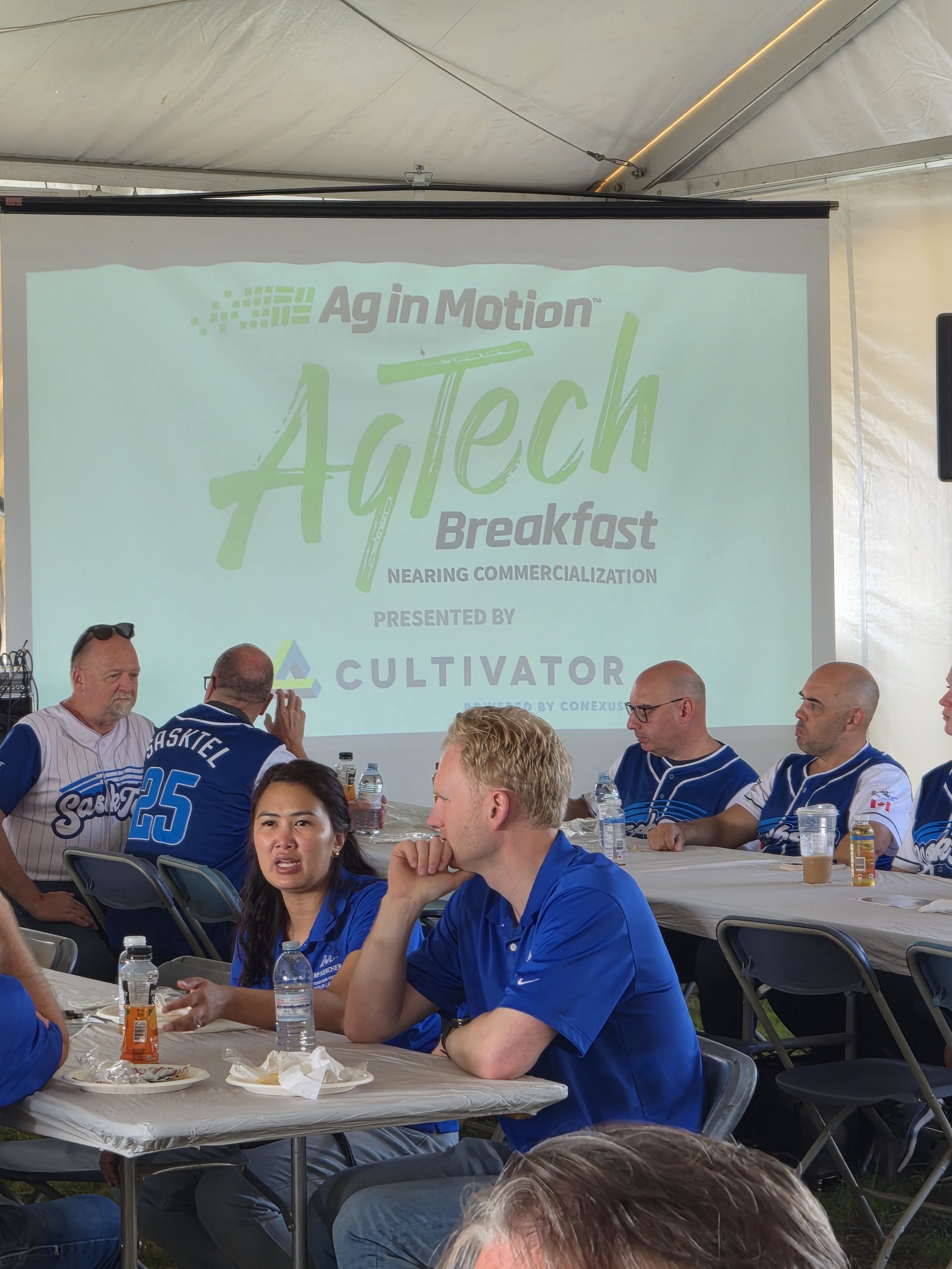
One of the highlights from our recent trip to Ag in Motion 2026 near Langham, Saskatchewan, was attending the AgTech Breakfast presented by Cultivator. The morning brought farmers, entrepreneurs and industry representatives together to hear about some of the technology being developed for agriculture—both here in Canada and around the world.
Supporting AgTech Startups
Cultivator’s AgTech Accelerator is a three-month program that helps Canadian and UK startups test their ideas, connect with producers and industry leaders, meet potential investors and develop a plan to bring their technology to market. Since 2022, the program has supported more than 60 companies working in areas such as precision agriculture, automation, farm management, animal health and data collection. Learn more about Cultivator’s AgTech Accelerator.
During the breakfast, we heard a series of quick pitches from entrepreneurs working on a wide range of agricultural challenges. Some of the ideas were still in their early stages, while others are already being tested or used on farms.
Here are a few that caught our attention:
Invest in Farmers (https://iif.today/) – Developing a platform that allows individuals to invest directly in farm production, giving producers access to capital while creating a stronger connection between farmers and consumers- think Crowdfunding for farms! It's already being done in Australia with excellent results so far.
Xact Agriculture (https://xactag.com/) – Using satellite-based multispectral imagery, soil samples and artificial intelligence to create detailed, full-field soil fertility maps with less conventional soil sampling.
StrongBó (https://www.strongbo-agtech.com/) – Building a portable, automated cattle-weighing system that can be placed in the pasture. Cattle voluntarily step onto the front-foot scale to access salt or molasses, allowing producers to monitor weight and growth without bringing animals into the yard.
Spornado (https://spornadosampler.com/) – Developing solar-powered air samplers that detect airborne fungal spores before visible crop symptoms appear, giving producers more information to support disease scouting and fungicide decisions.
Adaptive Agriculture (https://adaptiveagriculture.ca/) – Creating the Bindapt grain-bin monitoring and automation system, which helps producers monitor temperature and moisture and manage in-bin drying, aeration and rehydration.
FarmerTitan (https://farmertitan.com/) – Offering equipment-management software that uses QR codes placed on machinery. Staff can scan the code to view maintenance history, complete checklists and report repairs directly from the field.
Connected Farms (https://www.connectedfarms.co/) – Developing connectivity systems that help keep farm machinery and technology online in areas with unreliable cellular coverage. Its equipment-mounted systems can create a mobile Wi-Fi connection around the machine.
Lucent Bio (https://lucentbiosciences.com/) – Developing fertilizers that bind nutrients to a plant-based carbon source. Soil microbes gradually release the nutrients under active growing conditions, helping make them available when crops can use them. Its bio-activated micronutrient technology is marketed as Soileos.
OpticAg (https://opticag.com/) – Connecting long-range sensors across the farm to monitor grain bins, fuel and feed tanks, buildings, equipment, soil and weather conditions through one platform.
What stood out most was the variety of problems these businesses are trying to solve. From soil testing and crop disease to cattle weights, grain storage, machinery maintenance and rural connectivity, each idea started with a practical challenge faced by producers.
Farming Forward supports innovation and entrepreneurship, so it was exciting to see what people are building to improve agriculture in Canada. New technology will not replace producer knowledge, but when it is developed alongside farmers and tested under real conditions, it can provide better information, reduce labour and help producers make more confident decisions.
The AgTech Breakfast offered an interesting look at what may be coming next—and a reminder that some of the most useful agricultural innovations begin with someone asking, “Is there a better way to do this?”
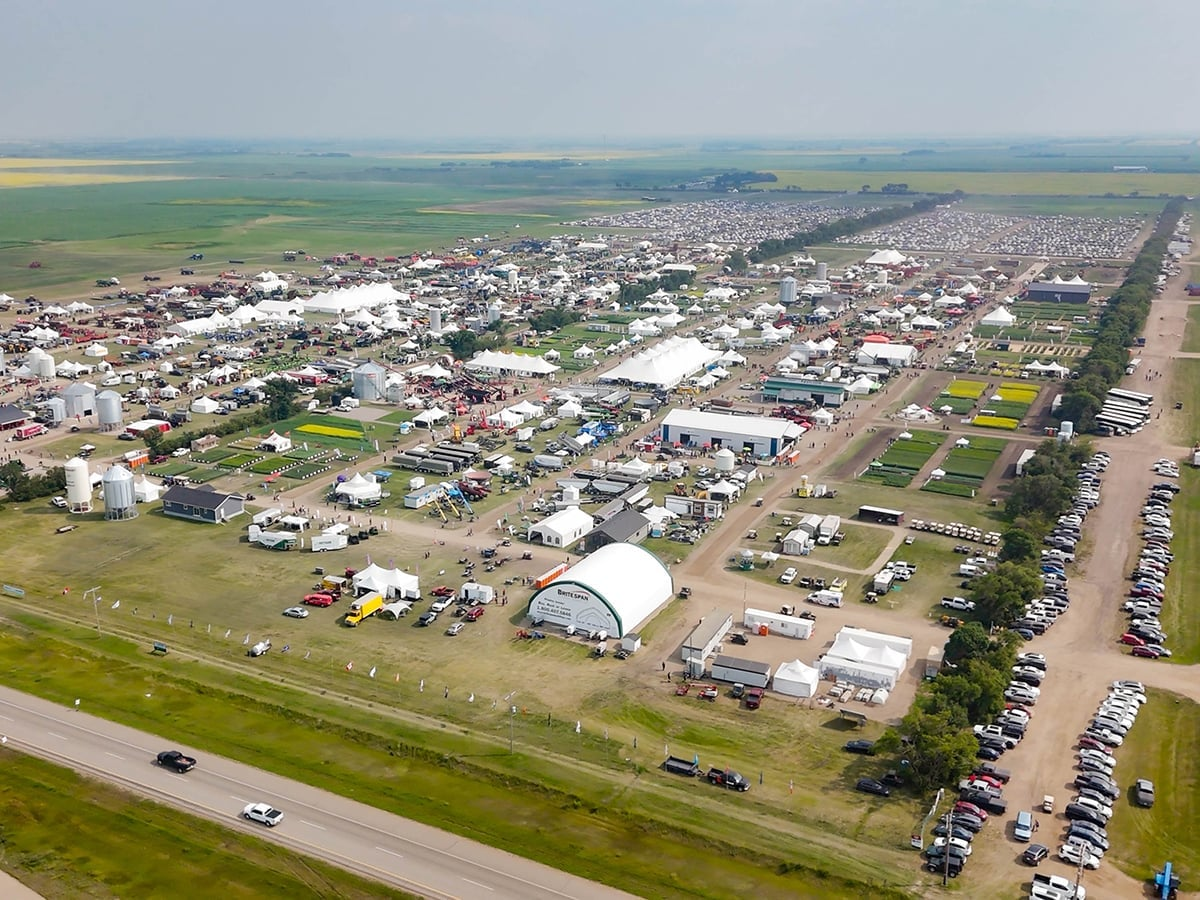
Source: Ag In Motion