Wildwood Soil Health Trial: 2025 In-Season Update
One of the most effective ways to improve soil health is by increasing plant diversity. It’s a core soil health principle, and our Wildwood project is putting that concept to the test. The trial looks at how a diverse soil health polycrop blend can support better soil function and long-term productivity.
To deepen the comparison, we’re also testing five biological amendments that are commonly used to stimulate soil biology, improve water retention, support nutrient cycling, and reduce compaction. The products included in this year’s trial are:
TM Ag and pH Plus (Best Management Systems)
Johnson-Su bioreactor compost tea
Eco Tea seed dressing
Regenisys (Bio-Energy Solutions)
This is the third year of our ongoing 15-acre soil health project. The goal is to better understand how both plant diversity and biological amendments influence soil structure, microbial activity, and overall system resilience over time.
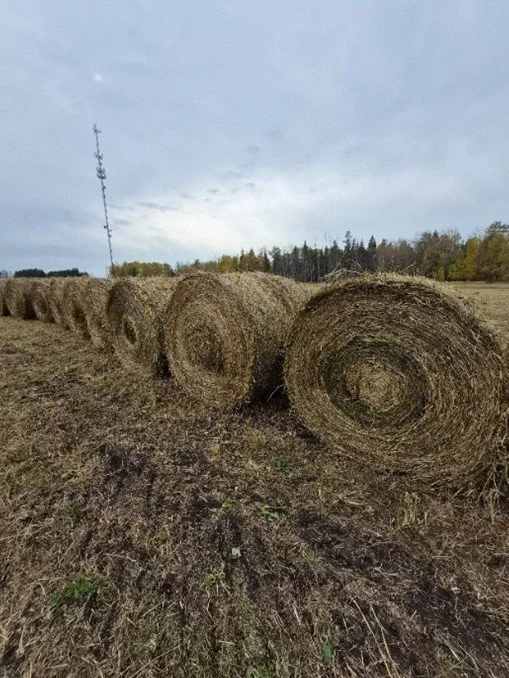
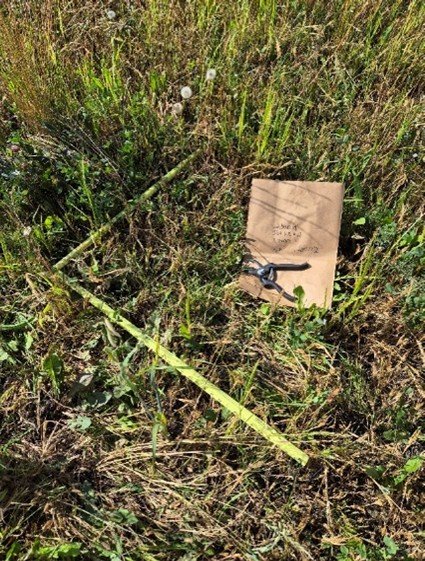
Throughout the season, we collected both mid-season observations and end-of-season forage samples. While full results will be shared in the final project report, here are a few early highlights:
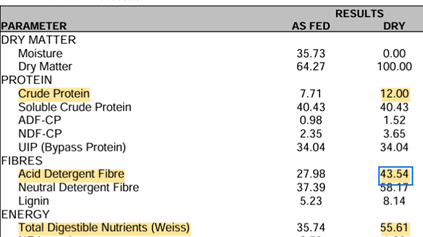
Feed quality: The sample collected this season showed a TDN value of 55.61%, a strong target for cows in mid-gestation. Crude protein levels were also within the expected range to support feeding through lactation.
Digestibility: Acid detergent fibre (ADF) is connected to forage digestibility, and values were in line with what we expect from a grass–legume mix.
Field performance: All treatments established well, with visible differences in canopy structure, rooting patterns, and soil moisture retention across the season.
Yield range: Across the site, average yields for the polycrop strips generally fell between 2.5 - 4.2 t/ha. This reflects natural variability within the field and among amendments, but does not indicate product performance, as none of the biological products used are designed to directly boost yield. Instead they aim to improve soil quality and microbial function, which typically show measurable changes over a 2–3-year period.
This update reflects intermediate observations only. A full summary, including soil health indicators, forage quality details, and treatment comparisons, will be shared once final results are compiled.
Have a research question of your own?
Contact our team — we’re always happy to help explore ideas, track down answers, or support a producer-led trial on your farm.